


5 reasons why adventure travel looks nothing like it did 10 years ago
Adventure travel is booming, and over the last decade, it's evolved into something far bigger than a niche travel experience for thrill seeking hobbyists. According to market sizing research and traveler sentiment surveys from the Adventure Travel Trade Association (and sponsored by EF Adventures), active and nature-based travel now accounts for $1.16 trillion globally. Two-thirds of all international travelers say they're "open to adventure" on their next trip.
And the type of person seeking that adventure has changed just as dramatically as the market itself. The trillion-dollar market opportunity signals more than just growth for the tourism industry. It reflects a broader shift in lifestyle and consumer behavior, as more travelers seek experiences centered on lifelong learning, wellness, and meaningful real-world connections..
To better understand what's driving that shift, EF Adventures partnered with Qualtrics research to survey more than 1,000 travelers who would consider a more active vacation in its first-ever Adventure Traveler Report. Here's what the research revealed, and the destinations that bring it to life.
Courtesy of EF Adventures
1. Learning about another culture is the adventure traveler’s ‘Why?’
77% of respondents rated cultural immersion as extremely or very important when booking an active trip, making it the single most powerful driver of adventure travel decisions today—more than terrain difficulty, distance, or bragging rights. For today’s active traveler, physical movement and lifelong learning aren’t separate pursuits. They’re the same trip: a cooking class with the local grandmother, a guided hike with a historian, a market visit that reveals how a region actually lives.
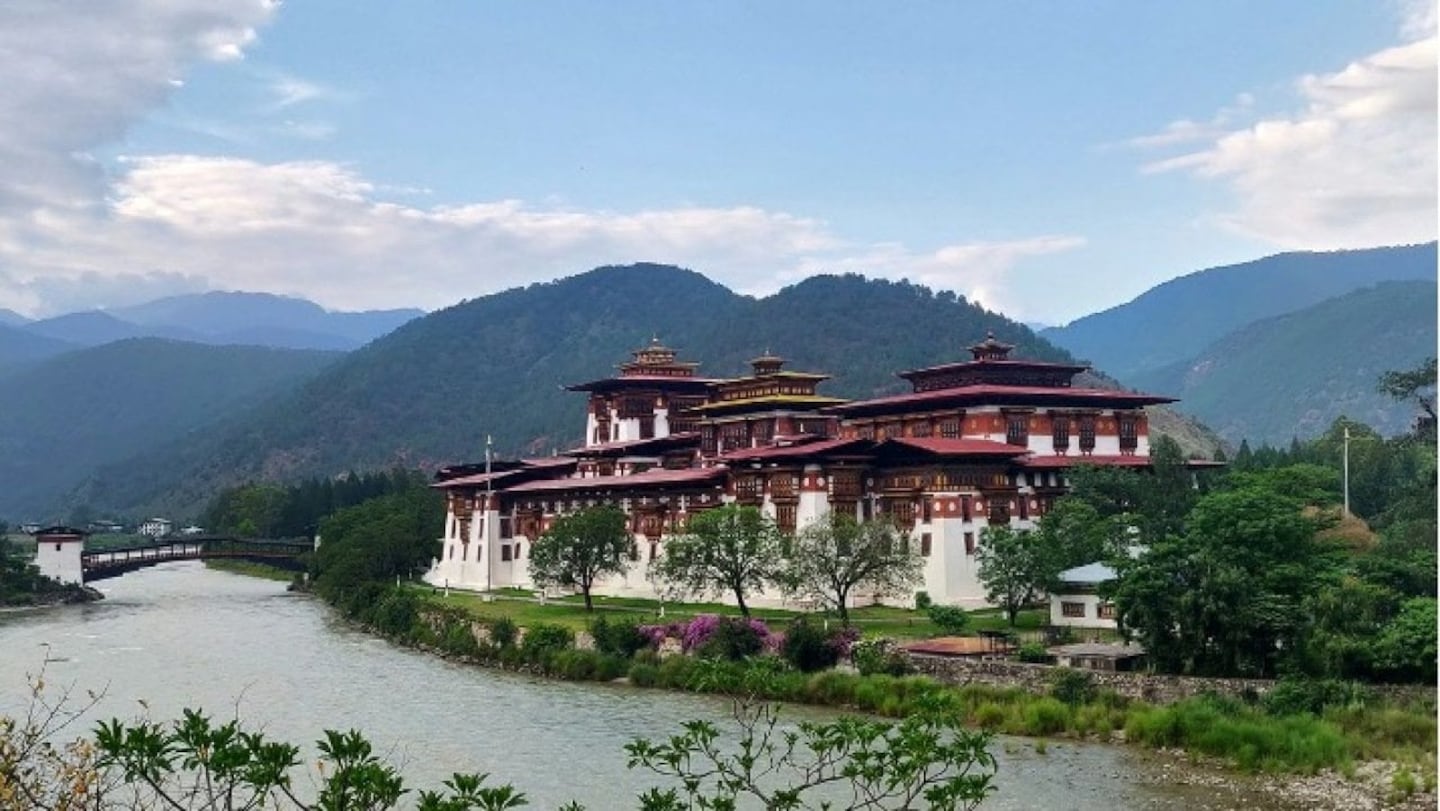
Few destinations capture this better than Bhutan. Hikers traversing sections of the Trans Bhutan Trail—a pilgrimage route used for centuries by monarchs, monks, and traders—are welcomed into sacred Buddhist monasteries and introduced to a country that measures national success not by GDP but by Gross National Happiness.
Courtesy of EF Adventures
2. Light adventure is having a moment
Nearly three-quarters of today’s adventure travelers say their top motivations for travel are learning something new (25%), spending meaningful time with family and friends (25%), and creating lasting memories (21%). Thrill-seeking doesn’t crack the top three.
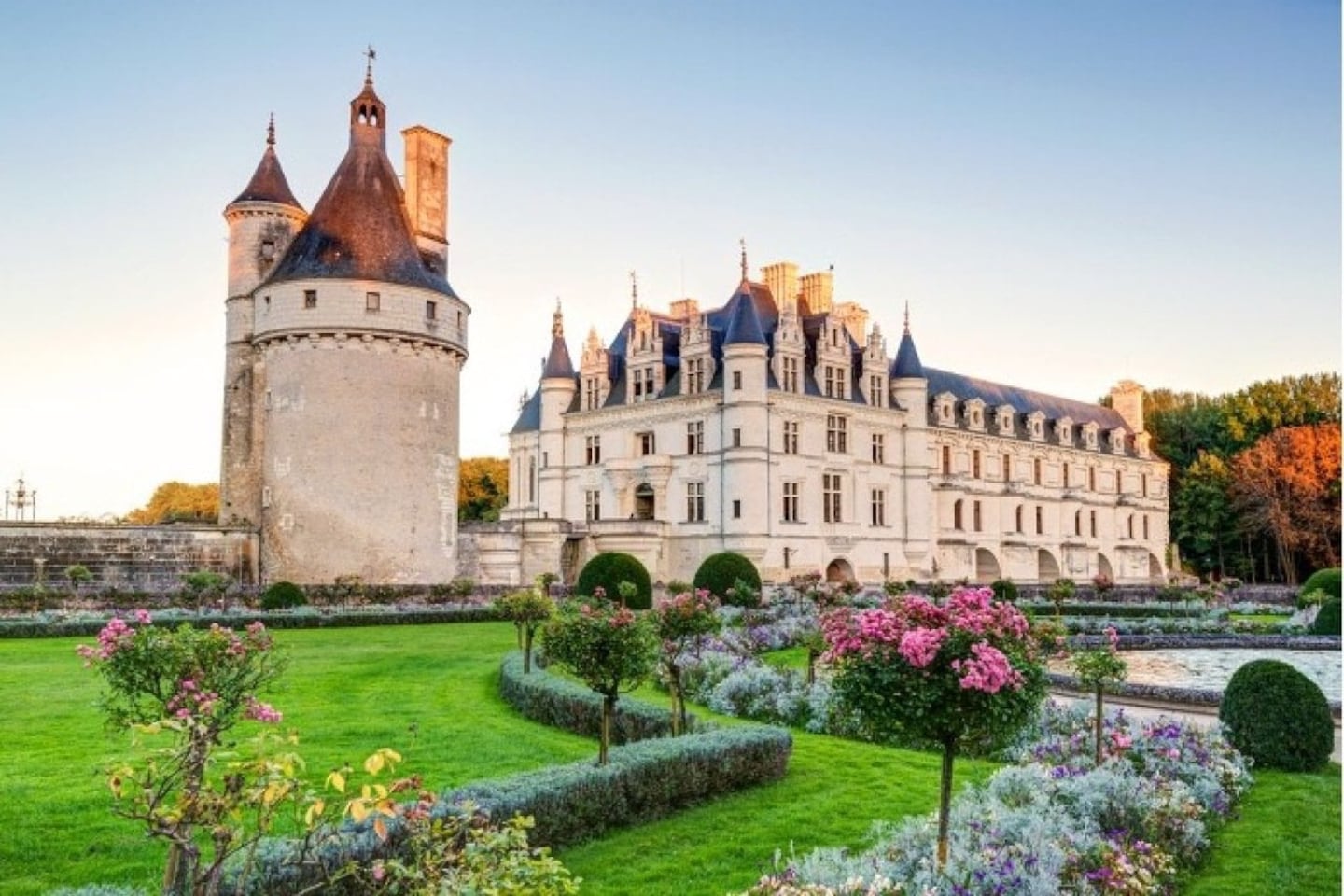
Today’s adventure traveler isn’t necessarily summiting Everest or white-water rafting Class V rapids. They’re cycling through pinot noir and chardonnay country in France’s Burgundy and Loire Valley, winding past châteaux on quiet back roads that tourists in rental cars never find. The common thread isn’t intensity. It’s physical engagement with a place, on your own terms, at your own pace. Adventure has become more accessible, and that’s exactly the point.
Courtesy of EF Adventures
3. Wellness and movement have merged
More than two-thirds of respondents (66%) said they’ve taken a trip specifically to recover or reset from a life challenge. The goal isn’t to push limits anymore—it’s to restore them. Mood improvement (43%), stress reduction (42%), and mental clarity (36%) ranked as the top wellness goals travelers hope to achieve on active trips.
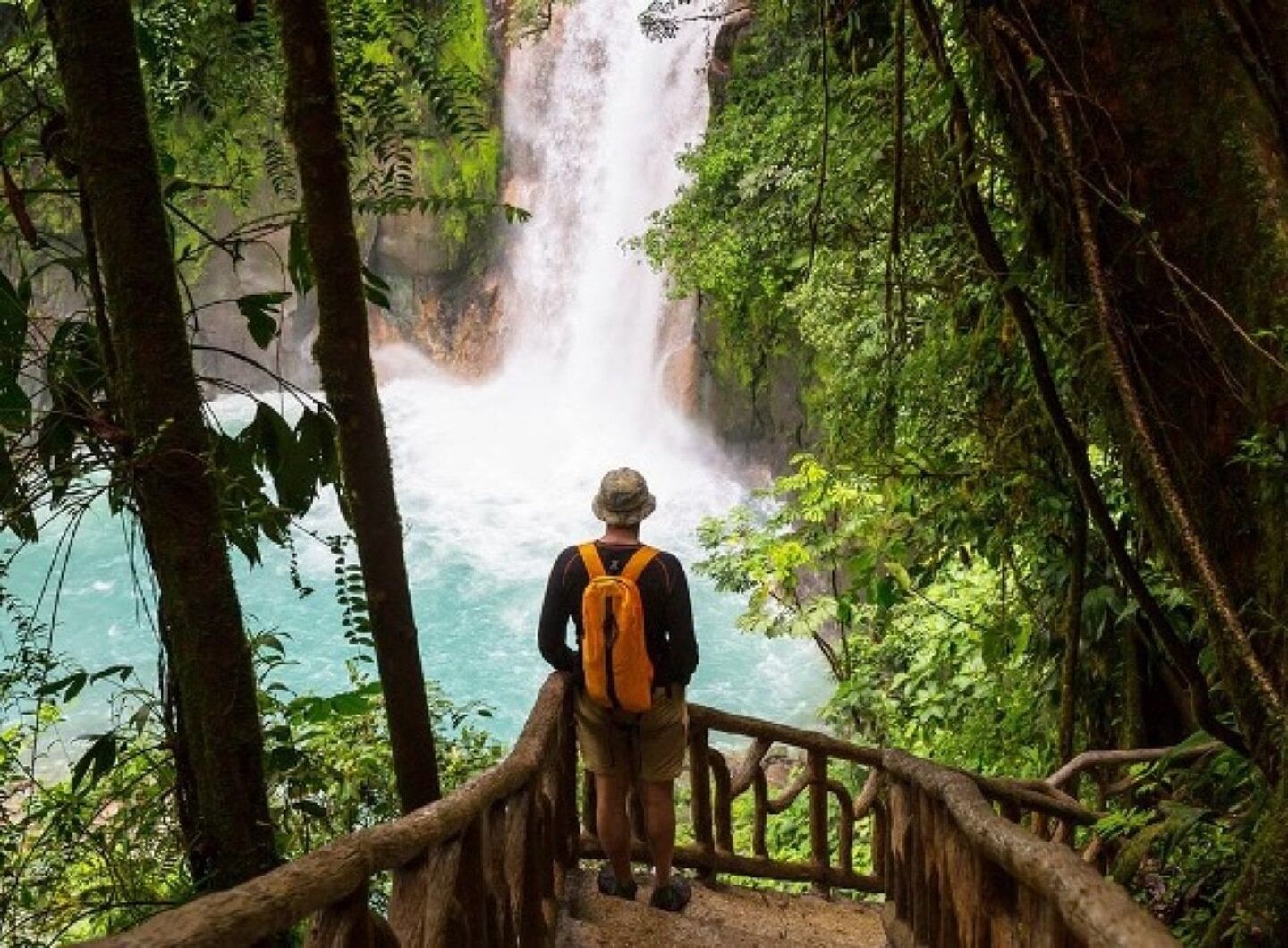
Notably, 44% say they’re drawn to blue zone lifestyle characteristics—the daily habits researchers have linked to the world’s longest-lived communities: walking instead of driving, spending quality time with neighbors and friends, preparing meals from scratch, and winding down slowly at the end of the day. It points to places like Costa Rica, where longevity is tied to daily physical rhythm rather than structured fitness. In practice, that often means pairing higher-energy days on the trail or river with slower evenings at open-air lodges, soaks in natural hot springs, or guided wildlife walks at dawn.
Courtesy of EF Adventures
4. Europe is evolving and travelers are going deeper into it
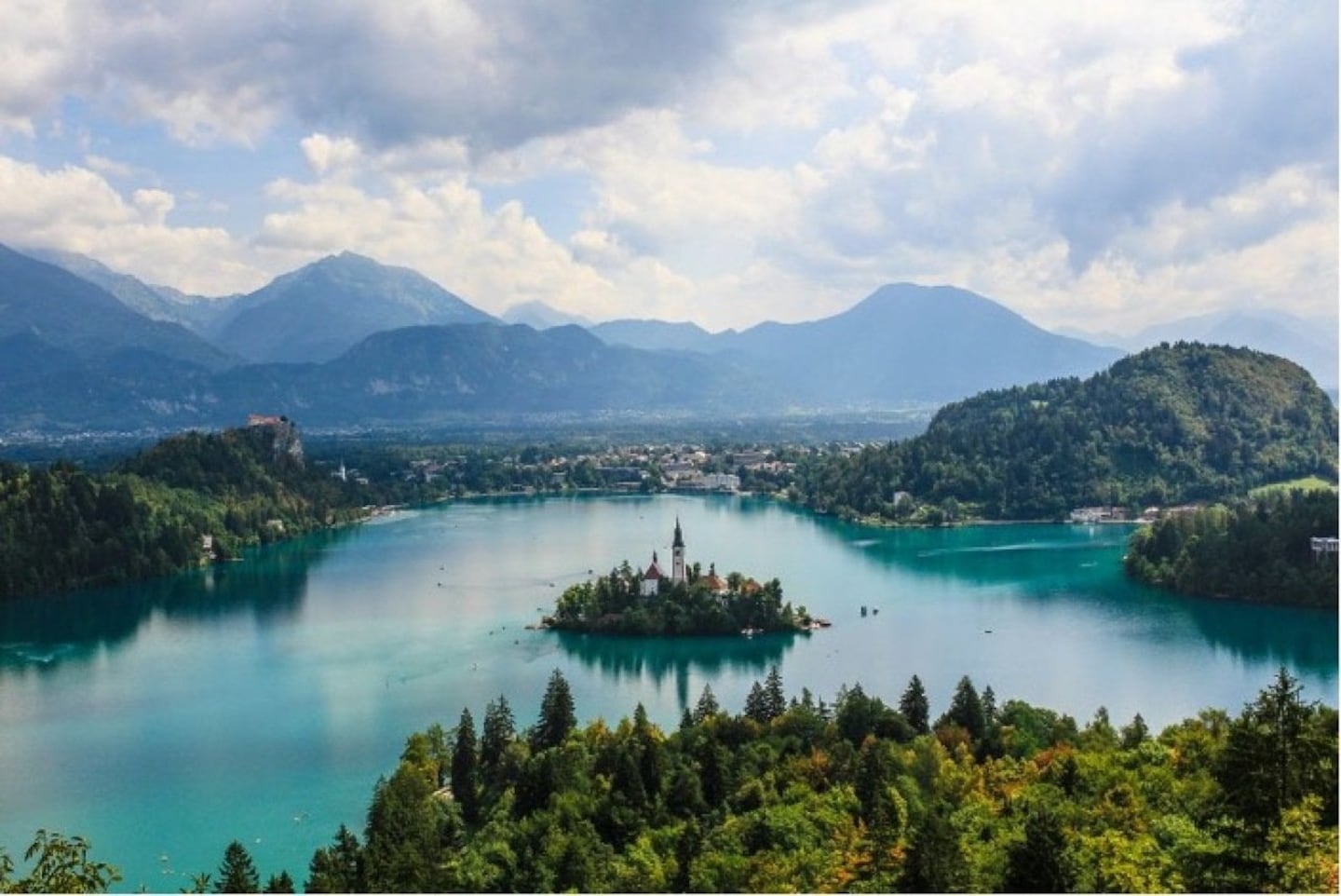
Europe has long dominated adventure travel wish lists, capturing 60% of destination preferences in the survey, with Central and Western Europe alone accounting for 40%. But the way people are experiencing it is changing. Travelers aren't just hitting the highlights anymore. They're seeking out the quieter corners: the Julian Alps of Slovenia, the volcanic trails of the Azores, the lesser-known coastal paths of Portugal's Alentejo. The demand isn't leaving Europe … it's spreading out across it, rewarding regions that have always had the scenery and culture but rarely the spotlight.
Courtesy of EF Adventures
5. Guided travel has been rebranded from ‘tourist’ to ‘insider”
The DIY travel boom gave everyone the tools to plan their own trips. But premium adventure travelers are increasingly returning to tour operators for one specific reason: access. In the survey, 34% cited unique experiences unavailable to independent travelers as the top reason they choose guided operators.
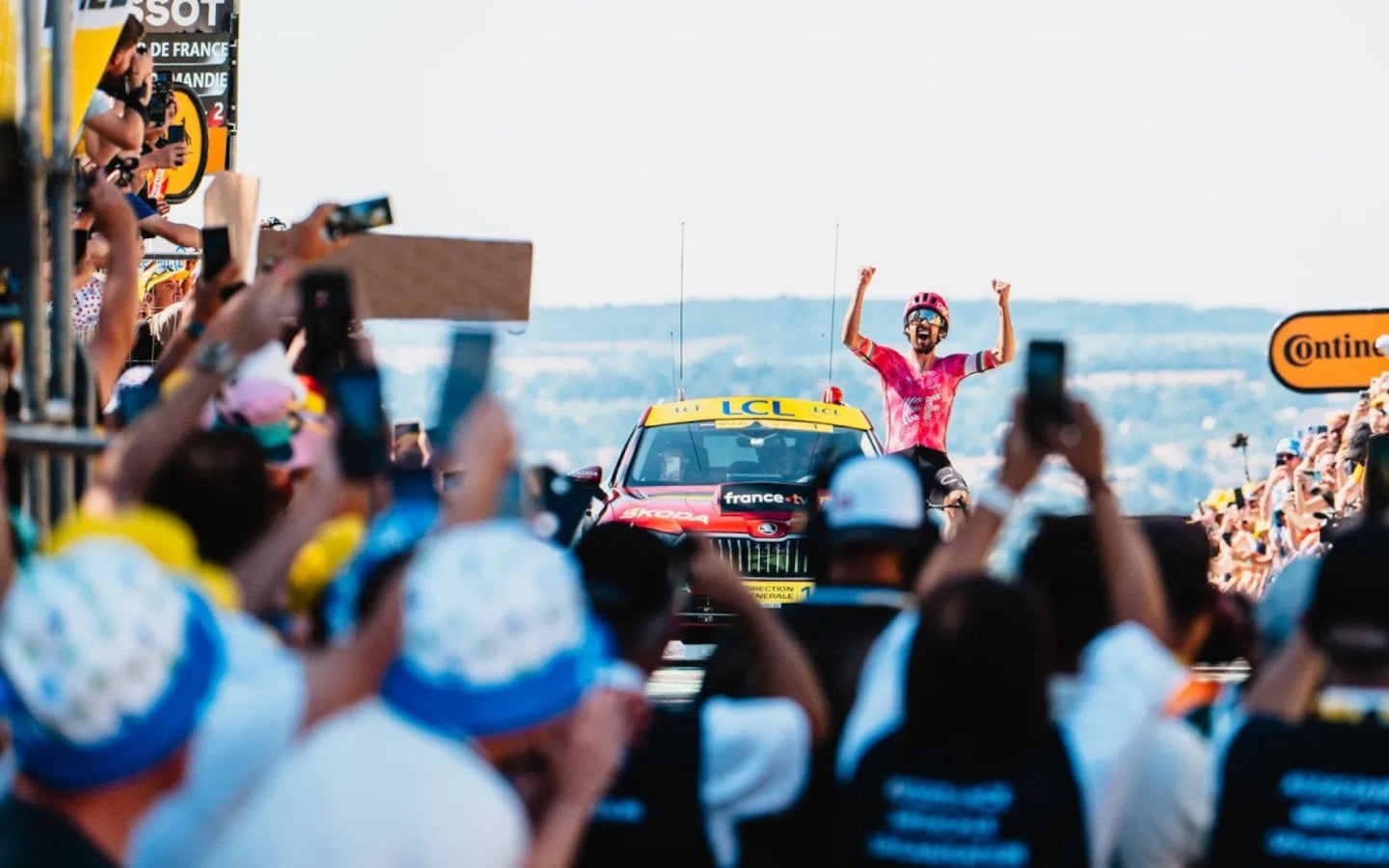
Think riding actual Tour de France stages before the peloton arrives or standing inside VIP barriers at the finish line. Think pedaling Tuscany’s Strade Bianche gravel roads, then watching the world’s best cyclists cover the same ground days later. These are experiences that require local knowledge and relationships most independent travelers simply don’t have. Today’s tour operators are doing more than simply handling logistics. They’re unlocking doors.
This story was produced by EF Adventures and reviewed and distributed by Stacker.